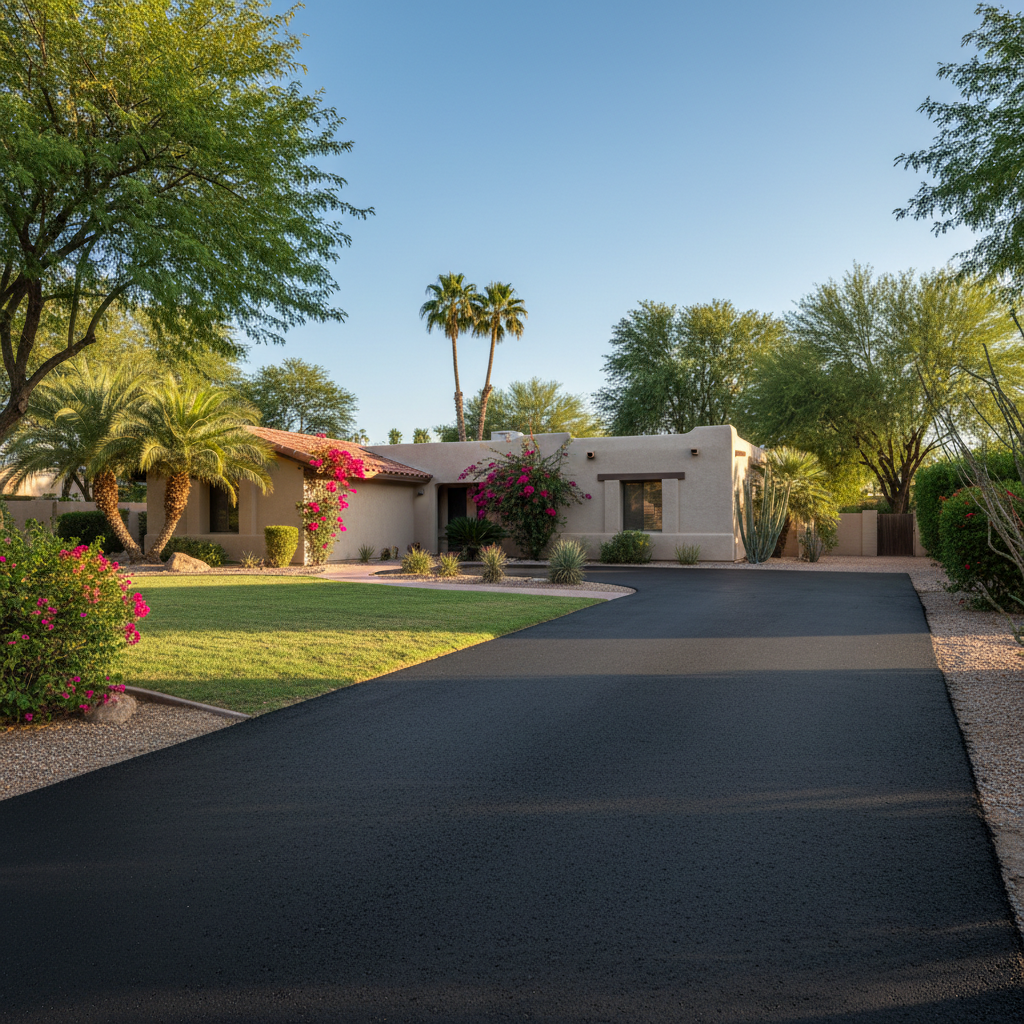
You're wondering about your asphalt driveway or parking lot here in Chandler, right? Maybe it's seen better days, or you're planning a new installation. Either way, the desert climate we've got going on here plays a huge role in when and how you should tackle any paving projects. It's not like back East or up North where they deal with snow and ice; we've got sun, heat, and monsoon season to contend with.
The Best Time to Pave in Chandler
When folks ask me the absolute best time to lay down new asphalt or do major repairs, I always point to the cooler months. We're talking late fall, winter, and early spring – roughly October through April. Why then? Well, asphalt needs to cure properly. It's a mix of aggregate and bitumen, and the temperature affects how that bitumen binds and settles.
If it's too hot, the asphalt can stay soft for too long, making it more susceptible to damage from vehicles or even just foot traffic before it's fully set. Plus, it's just plain brutal for the crew working out there in 110-degree heat, and that can impact the quality of the work. You want your crew focused and comfortable, not battling heat stroke.
So, if you're thinking about a big project, start planning in the summer for a fall or winter installation. That gives us time to get you on the schedule without rushing things when the weather's perfect.
What Our Chandler Weather Means for Asphalt Work
Our weather isn't just about hot and not-so-hot. We've got a few other factors that come into play:
Extreme Heat: I already touched on this, but it's worth repeating. Summer heat, especially those weeks where it's consistently over 105 degrees, is tough on fresh asphalt. It can lead to premature rutting or shoving if it's not fully compacted and cured. We try to avoid major installations during July and August if we can help it.
Monsoon Season: This is a big one. Those sudden, torrential downpours we get from July through September? They're not great for paving. You can't lay asphalt on a wet base. If the ground is saturated, it won't compact correctly, and you'll end up with a weaker, less durable surface. Plus, laying asphalt in the rain is a definite no-go. We watch the forecasts like hawks during monsoon season, and sometimes we have to reschedule to make sure the conditions are right for a quality job.
Dust and Wind: Chandler's not immune to dust storms, especially out in some of the newer developments or areas closer to agricultural land. Wind can blow dust and debris onto a freshly prepared base, which can compromise the bond between the asphalt and the sub-base. It's usually manageable, but it's something we're always aware of.
Protecting Your Paving Investment Year-Round
Once you've got that beautiful, smooth asphalt down, you want to keep it that way, right? Here's what I recommend to all my clients, whether it's a small residential driveway in a neighborhood like Ocotillo or a large commercial lot:
Sealcoating: Think of sealcoating as sunscreen for your asphalt. Our intense UV rays are brutal. They break down the binders in the asphalt, leading to cracking and fading. A good sealcoat every 2-3 years (depending on traffic and sun exposure) protects against UV, water penetration, and even oil spills. It's truly one of the best ways to extend the life of your pavement.
Crack Sealing: You see a crack, you seal a crack. It's that simple. Small cracks let water get underneath your asphalt, and once water's in there, it starts eroding the base. That's when you get potholes and bigger problems. Don't wait for a crack to become a crater; get it filled promptly.
Proper Drainage: This is often overlooked, but it's critical. If water pools on your asphalt, it's going to degrade it faster. Make sure your property has good drainage away from paved surfaces. If you've got standing water after a rain, that's a red flag we need to address.
Keep it Clean: Oil, gas, and other chemicals can soften and damage asphalt. Clean up spills quickly. Also, heavy equipment or sharp objects can cause damage. Be mindful of what's sitting or driving on your pavement.
Look, your asphalt is an investment. Doing it right the first time, and then taking care of it, will save you a lot of headaches and money down the road. Here at Chandler Asphalt Paving, we're all about giving you honest advice and quality work that stands up to our desert environment. Don't hesitate to reach out if you've got questions or need an estimate.