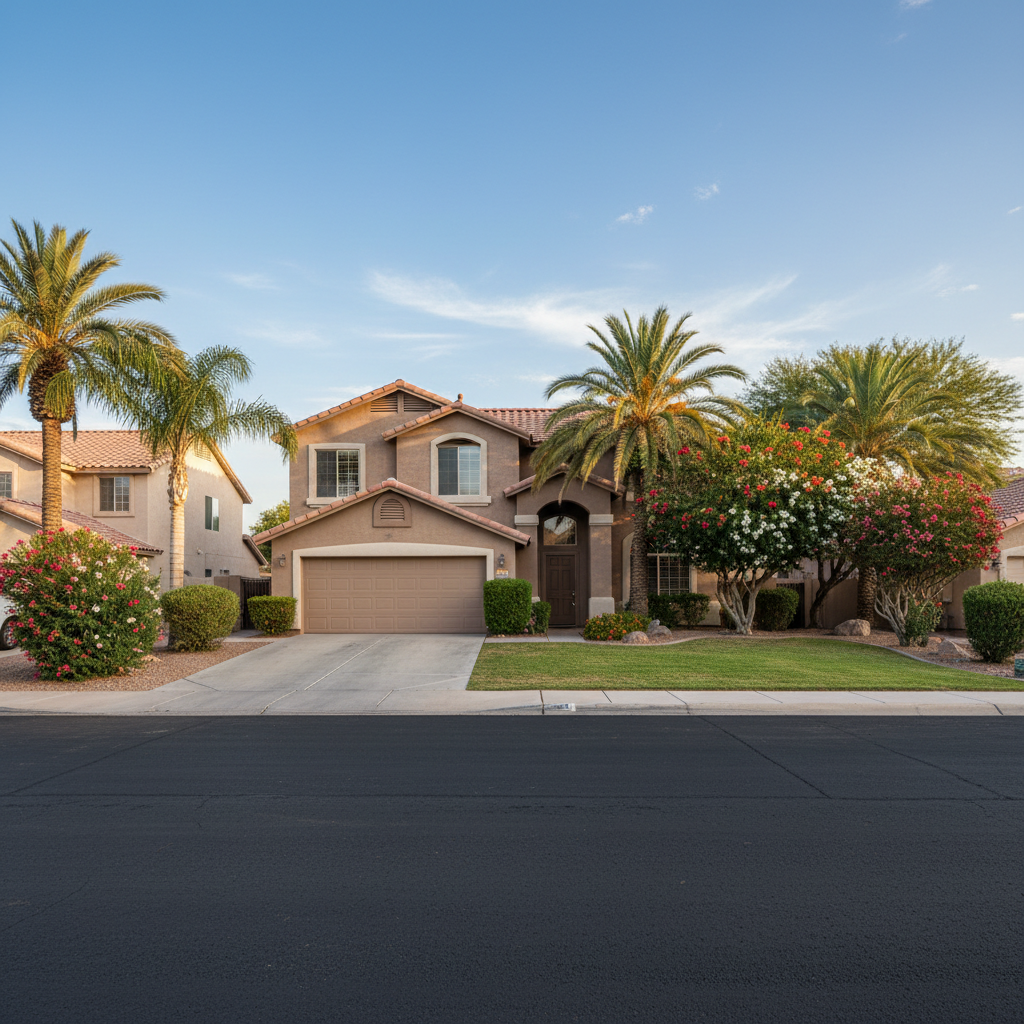
You've seen 'em, right? Those ugly cracks, those annoying potholes that seem to pop up overnight in your driveway or parking lot. Especially after a monsoon season where the ground shifts a bit, or just from the constant beating our Arizona sun gives everything. When you see that, your first thought might be, "How can I just cover that up?" But here in Chandler, just covering it up isn't really fixing it. It's just delaying the inevitable, and usually, it costs you more in the long run.
Why a Patch Isn't Always Just a Patch
Look, anyone can dump some cold patch into a hole. But that's like putting a band-aid on a broken bone. It might hold for a little while, sure, but the underlying problem is still there. For asphalt patching to actually work and last, you've got to understand what caused the damage in the first place. Was it water getting in? Heavy traffic? Poor drainage? Or just old age and sun exposure?
Here in Chandler, we see a lot of issues related to our soil. We've got expansive clay soils in some areas, especially out towards the older parts of town or near the agricultural canals. When those soils get wet, they swell. Then, when they dry out, they shrink. That movement puts a ton of stress on asphalt, leading to cracks. If you don't address that, any patch you put down is just going to crack again right along with the movement.
The Right Way to Patch: It's More Than Just Filling a Hole
When we talk about proper asphalt patching at Chandler Asphalt Paving, we're not just talking about throwing some material down. We're talking about a process that actually fixes the problem. Here's what goes into it:
- Assessment: First, you gotta figure out what's going on. Is it just a surface crack, or is the base layer failing? Is water getting underneath? We'll check the surrounding area for other signs of distress, too.
- Preparation is Key: You can't just patch over loose debris or a wet surface. We'll clean out the area, often cutting out the damaged section in a neat, square shape. This gives us a solid edge to work with and removes all the compromised material.
- Proper Materials: Depending on the type of damage and the expected traffic, we'll use the right kind of hot mix asphalt. It's not one-size-fits-all, you know?
- Compaction: This is huge. If you don't compact the patch properly, it'll fail. It'll sink, crack, and become a pothole again. We use vibratory rollers or plate compactors to make sure that patch is dense and integrated with the surrounding pavement.
- Sealing the Edges: Sometimes, especially with larger patches, we'll seal the edges to prevent water from seeping in around the new material. That's how you make it last.
Why Local Expertise Matters in Chandler
You might think asphalt is asphalt, right? Not really, especially when you consider our local conditions. The intense heat we get for months on end, the occasional heavy monsoons that dump inches of rain in an hour, and those expansive soils I mentioned – they all play a role in how asphalt behaves and how it needs to be repaired.
A contractor who's only worked in cooler, wetter climates might not understand the nuances of asphalt in 115-degree heat. They might not know about the specific types of aggregates that perform best here, or how quickly asphalt can cool and become unworkable on a hot Chandler afternoon. We've seen it all, from the residential streets in Ocotillo with their high-end finishes to the busy commercial lots off Arizona Avenue. Every job has its own challenges.
For instance, in some of the older neighborhoods, like those mid-century homes near downtown Chandler, the original paving might have been done with different specs than what we use today. You need someone who can assess that and make sure the patch is compatible and durable for the long haul.
Don't Wait Until It's a Major Headache
Small cracks can turn into big potholes faster than you'd think, especially with our temperature swings. Water gets in, freezes (rarely, but it happens), expands, and then evaporates, leaving a void. Or the sun bakes it, making the asphalt brittle. Then a car drives over it, and *pop* – you've got a pothole. Addressing these issues early with a proper patch saves you from having to repave an entire section later.
So, if you're seeing signs of wear and tear on your asphalt, don't just ignore it or try a quick fix that won't last. Get a professional opinion. You'll save money, keep your property looking good, and avoid bigger headaches down the road. That's just smart property management, Chandler style.